
 Sep 23, 2026
 40
40
 admin
admin
Residential towers, apartments, serviced residences and mixed-use communities need balcony guardrails that do more than complete the facade. The system must match the architectural drawings, support normal use, follow local building requirements, and remain stable in humid, coastal, sunny or temperature-changing environments.
China manufacturers can supply galvanized steel, zinc steel, aluminum, stainless steel, glass combinations and custom metal guardrails. However, suppliers differ in material control, welding, coating, shop drawings, inspection and export service. For a residential project, the right choice is not always the lowest quotation. It is the manufacturer that can turn the approved design into consistent, traceable batches.
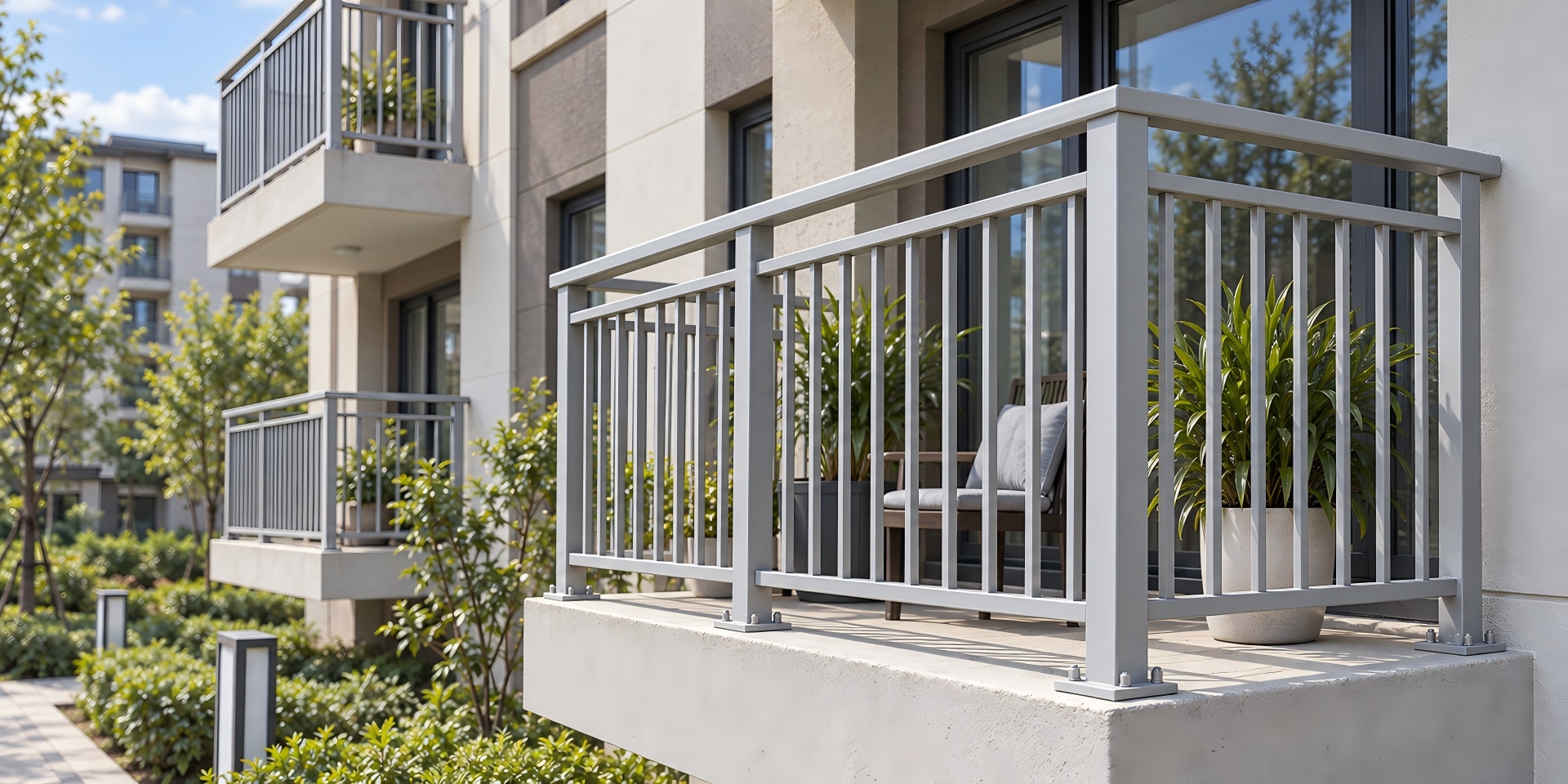
Balcony guardrails affect safety, facade appearance, construction schedules and future maintenance. A low price is difficult to compare if the quotation does not define material thickness, connections, packing, inspection and responsibilities.
Common project risks include:
Guardrail height, post spacing or openings that do not match the drawings;
Unclear steel thickness, aluminum profile or glass configuration;
Missing details for welds, anchors, base plates and connectors;
A galvanizing or powder-coating system that does not suit the site environment;
Visible differences in color, gloss or dimensions between production batches;
Shipping damage, mixed components or poor labeling after long-distance transport;
A supplier that sells the product but cannot support architects, engineers or installers.
The purchasing team should therefore compare the total delivered cost, including design coordination, samples, inspection, packing, freight, installation and future replacement.
Balcony guardrails are not the same as highway crash barriers. Balconies, stairs, terraces, roofs and public walkways have different functions, loads, opening controls, connections and fall-protection requirements.
A capable supplier should review plans, elevations, details, quantities and installation locations before quoting. The project team should identify whether the guardrail is for a balcony edge, stair, roof, shared platform, landscape area or pedestrian route.
Common residential options include galvanized steel, zinc steel, aluminum, stainless steel and glass combinations. Selection should consider architectural style, span, maintenance, corrosion exposure and local requirements.
Confirm at least the following:
Base material grade or profile specification;
Tube, post, rail and infill dimensions and thickness;
Welded, bolted or modular assembly method;
Hot-dip galvanizing, powder coating, fluorocarbon coating or another finish;
Fastener material and protection against galvanic corrosion;
Treatment of cut edges, welds and site touch-up areas.
Coastal, humid and polluted sites should not automatically use the same finish as an inland project. The supplier can advise, but the design team or local engineer should confirm the final material and corrosion-protection requirements.
A qualified manufacturer should provide more than product photos. Ask for CAD drawings, fixing details, connector schedules, component numbering and installation notes. Pre-embedded parts, side-mounted base plates, concrete-edge fixings and glass systems need especially clear details.
Requirements vary by market. UK projects can refer to the government guidance in Approved Document K, which covers protection from falling, stairs, handrails and guarding.
U.S. projects can consult the 2024 International Building Code provisions for guards and handrails. Australian projects can review the NCC guidance on stairways, barriers and handrails. These are reference sources only and do not replace local approval or engineering review.
Residential guardrails serve both safety and facade functions. In a large development, differences in color, gloss, corners and visible welds can affect the appearance of an entire building or community.
Before mass production, confirm:
Color code or physical sample;
Gloss, texture and surface appearance;
Coating or galvanizing inspection method;
Visible weld, grinding and edge treatment;
Whether the sample uses the final production process;
Whether future replacement parts can match the approved batch.
A color chart cannot replace a physical sample. For a large project, approve a complete bay or sample section before releasing the full production order.
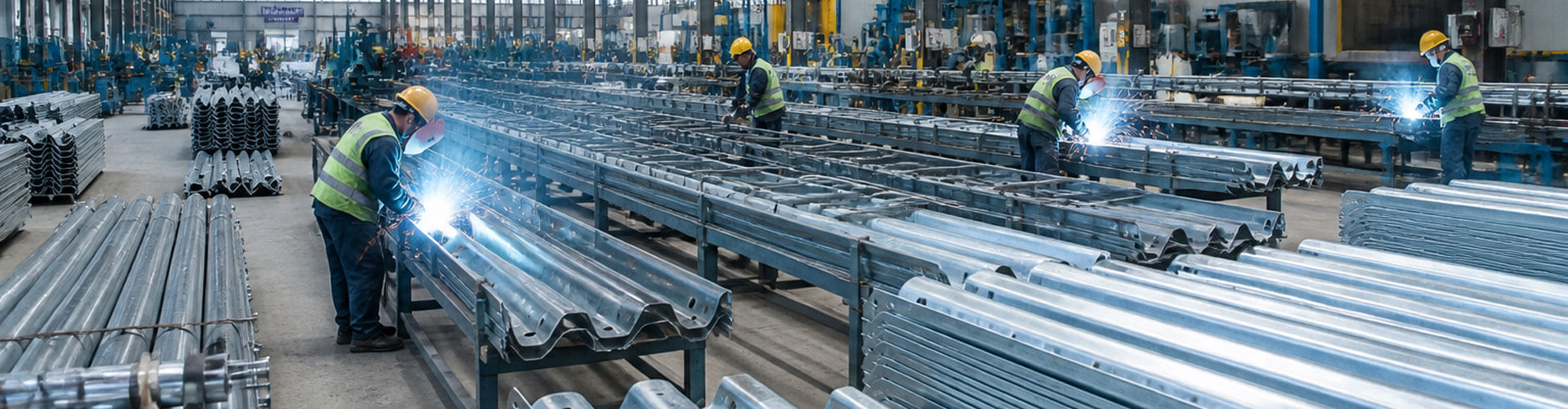
The factory should have cutting, punching, welding, assembly, finishing and packing capacity that matches the project volume. During an audit, ask to see incoming material control, in-process inspection, weld checks, coating inspection, final sampling and loading records.
Useful records include:
Material or profile purchasing records;
Drawing and revision-control records;
Dimensional, weld, coating and visual inspection reports;
Nonconformance and rework procedures;
Packing lists, component labels and batch traceability;
Loading photos, third-party inspection or pre-shipment video inspection.
Factory size or an advertised annual output does not prove supply reliability by itself. More important is the ability to repeat the same specification and control revisions when the design changes.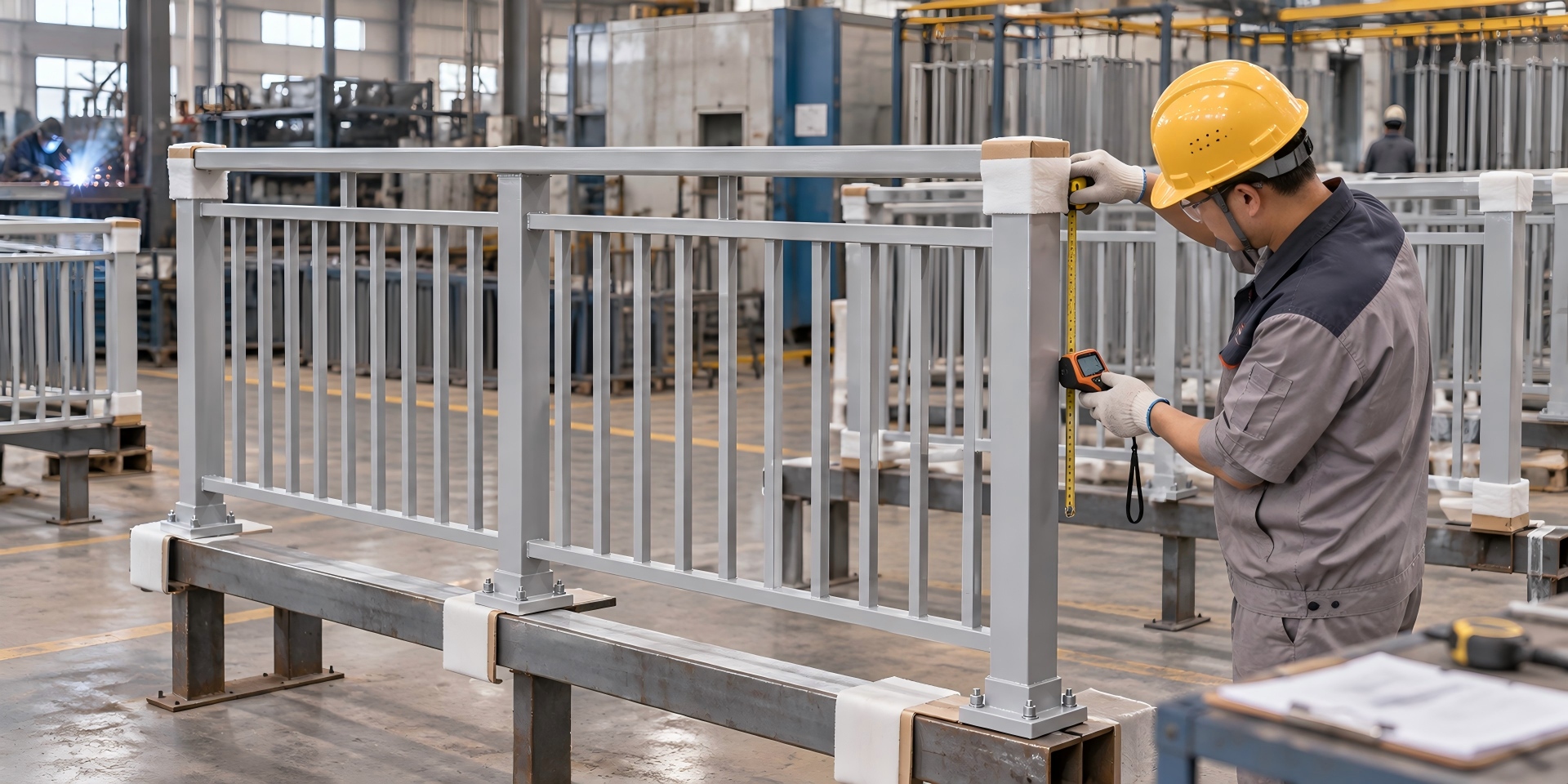
Residential developments often need non-standard lengths, corners, slopes, curved edges, different base plates or special openings. The quotation should state which parts can be customized, which adjustments are expected on site, and whether field cutting affects corrosion protection or warranty responsibility.
For export projects, also confirm:
English drawings and installation instructions;
Packing by building, floor or zone;
Installation videos or remote technical support;
Cooperation on sample-section approval and punch-list closure;
Spare parts, replacement parts and damaged-goods procedures.
Balcony guardrail components are often long and irregularly shaped. Sea freight and repeated handling can cause scratches, deformation or mixed hardware. Ask the supplier to define packing materials, bundling, carton count, unit weight, container loading and unloading requirements.
Compare more than the price per meter. Review:
Shop drawing and sample costs;
Tooling, jigs or special connector costs;
Packing efficiency and container utilization;
Freight, insurance and destination charges;
Installation or technical service fees;
Warranty scope, spare parts and replenishment lead time.
These options suit projects that prioritize structural stability, batch consistency and cost control. Hot-dip galvanizing, powder coating or a combined finish can support different architectural styles, but welds, cut edges and fasteners still require proper corrosion treatment.
Aluminum is relatively light and can support projects that prioritize handling, transport and a modern facade. Confirm profile wall thickness, connections, span, wind conditions and service requirements rather than judging strength from appearance alone.
Stainless steel can suit premium residences, public areas, coastal sites or projects with demanding cleaning requirements. Grade and surface finish should be selected according to chloride exposure, humidity and maintenance methods.
Glass can improve visual openness, but the project must check glass type, laminated configuration, edge protection, clamps, base shoes and replacement access. Design and acceptance should follow local requirements and the engineer's review.
To receive comparable quotations, send the China manufacturer:
Project country, city and environmental conditions;
Building type, number of buildings and estimated guardrail length;
Plans, elevations, details or site photos;
Guardrail use, design height and opening requirements;
Material, color, finish and connection requirements;
Locations such as balconies, stairs, terraces, roofs or ground-level areas;
Destination port, packing requirements and phased delivery plan;
Local code, testing, approval and third-party inspection requirements.
The more complete the information, the closer the quotation will be to the actual project scope and the fewer revisions will be needed later.
Define application, quantity, location and code requirements.
Shortlist manufacturers with residential or architectural guardrail experience.
Request material, structural, finish and packing proposals.
Review drawings, samples, quality records and factory processes.
Approve the sample section, color, connections and acceptance criteria.
Sign a contract covering specifications, delivery, packing, warranty and responsibilities.
Complete pre-production approval and pre-shipment inspection.
Receive, install and close quality issues by building or project zone.
When selecting a China balcony guardrail manufacturer for a residential building project, appearance is only the starting point. Material specifications, connection details, surface treatment, batch consistency, export packing and site coordination have a greater effect on the final result.
Developers and general contractors can first confirm the local code and building use, then establish procurement criteria through drawings, samples, factory audits and staged acceptance. This creates a more balanced decision across safety, facade quality, schedule and long-term maintenance.
Many manufacturers can customize length, height, posts, rails, connectors, colors and fixing methods. Approve the drawing revision and sample section before mass production.
There is no single answer for every project. Steel is often practical for batch production and structural configurations, while aluminum is lighter. The final choice should consider span, loads, environment, architectural style and local requirements.
Ask for material specifications, finish details, product drawings, connection details, inspection records, packing lists, installation instructions and warranty scope. Special projects may also require third-party testing or engineer approval.
Differences can occur when the sample and production batch use different materials, welding, coating or assembly processes. Confirm that the sample uses the final production method and approve it before bulk manufacturing.
Some manufacturers provide connection drawings, installation instructions, video guidance or remote technical support. Any on-site service should be defined during quotation and contracting.
AOTIAN can help organize a balcony guardrail proposal according to your drawings, quantity, material, color, installation locations and destination requirements. Final structural design, code compliance and site acceptance should be confirmed by the project design team, local engineer or building authority.
WhatsApp: +86 189 2407 9286
Email: info@aotianhouse.com
Website: www.aotianguardrail.com
If you are interested in our products and want to know more details, please leave a message here, we will reply you as soon as possible.
If you are interested in our products and want to know more details, please leave a message here, we will reply you as soon as possible.